
Written By: Alaina Yan
Shawn Christ / eurekalert
Article based on Han et al.’s paper Early- and late-life brain reserve proxies and their interactions with education on cognitive outcomes in older adults: A population-based MRI study
Vocabulary:
Brain Reserves: The brain’s ability to withstand damage before symptoms appear.
Total Intracranial volume (TIV): The total space inside the skull, used to estimate maximum brain size.
Cross-sectional study: A study that collects data at one point in time and shows associations, not cause and effect
Generability: How well a study’s findings apply to other populations.
Early-life Brain Reserve: How well a study’s findings apply to other populations.
Late-life Brain Reserve: The amount of healthy brain tissue remaining later in life.
TLDR Summary
This paper investigates whether brain size or amount of healthy brain tissue preserved impacts cognitive abilities. They studied 1200 dementia-free adults from rural China. Measuring both early-life brain reserves through TIV and late-life brain reserves, the scientists found that late-life brain reserves are strongly correlated with improved cognitive abilities while early-life brain reserves have no association. They also found that education improves later cognitive abilities, supporting that life-long learning improves brain health.
Why is this a breakthrough?
This paper explored which factor, late-life brain reserve or early-life brain reserve, has a larger impact on cognitive function. The finding that later-stage brain brain health is more important can help with future research on what preventative measures are the most effective.
Methods and Mechanisms Studied
The scientists studied dementia-free adults aged 60+ in rural China. They filtered out those with dementia and other conditions with MRI scans. The scientists had picked this population as they wanted to study the importance of education to brain reserves.
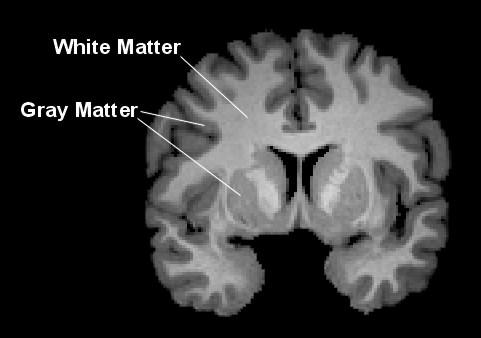
They measured both early-life brain reserve and late-life; to measure early-life brain reserve, they used total intracranial volume (TIV) which estimates the brain size, head size, and acts as a benchmark to calculate the brain matter lost in neurodegenerative disorders. Late-life brain reserve was measured by the amount of healthy gray and white matter remaining while excluding damaged white matter lesions.
The study was cross-sectional, so the scientists measured both early-life brain reserve and late-life brain reserve from adults at one point in time.
To measure cognition, the participants completed tests including memory, attention, executive function, verbal fluency, and overall cognitive ability.
Results
While both early-life and late-life brain reserves had correlations with cognition, early-life brain reserves’s association with cognition was much lower; they had a very small association with attention and memory and hardly any impact on executive functioning, verbal fluency, and overall cognition. Additionally, there was no statistically significant difference between high early-life brain reserve and late-life brain reserve on the cognition tests. On the other hand, higher late-life brain reserve directly correlated with better performance on memory, attention, executive function, language, and overall cognition.
In short, even if somebody has a larger brain in the beginning of their life, cognitive impairment and brain health greatly depends on what a person does as they age and if they keep their brain stimulated.
Limitations
As the study was cross-sectional, no causation can be supported. There is limited generality of the results as the population was only made up of rural ages 60 and over Chinese citizens. The study also ignored the impact of mental stimulating activities on people’s brain reserves.
Future Implications
Future research can be on drugs that prevent white and grey matter loss in the brain. There could also be research done on what lifestyle factors impact brain reserves the most (exercising, mindfulness, mentally stimulating tasks).